

"*" indicates required fields
Managing Negative Comments on Social Media for Nonprofits
In today’s interconnected world, non-profit organizations (NPOs) often face negative comments on social media.
While major crises can be rare, it’s the everyday challenges—like critical comments or misunderstood messages—that NPOs need to navigate.
Effectively managing this feedback is key to maintaining trust and building stronger relationships with your audience.
Here’s how non-profits can use engagement strategies to turn potential pitfalls into opportunities for meaningful interaction.
Handling Online Feedback: Pros and Cons
Negative comments on social media may initially seem like a burden, but they also present valuable opportunities. By responding thoughtfully, non-profits can engage with their audience, correct misunderstandings, and build trust. However, it’s important to consider both the benefits and potential drawbacks before jumping into a response.
Pros of Responding:
- Engagement: Responding to comments increases your visibility and shows you care.
- Education: Use the opportunity to inform your audience about your mission and correct misconceptions.
- Trust Building: Transparent communication can build trust and credibility.
Cons of Responding:
- Time-Consuming: Managing comments can be resource-intensive.
- Potential Escalation: Sometimes, responses can lead to further negative interactions.
- Misinformation: Incorrect responses can spread misinformation.
Case Studies: Handling Different Types of Negative Feedback
Negative comments can take many forms on social media, from trolling to constructive criticism. Each type of feedback requires a unique approach to turn these challenges into opportunities for engagement and education. Here are ideas for non-profits to respond effectively:
Trolling Comments
Trolling involves users posting sarcastic, provocative, or off-topic remarks with the intent to provoke a reaction. While these comments can be frustrating, there are several ways to respond, depending on your organization’s tone and values:
- Humor: Light-hearted humor can defuse tension and show that your organization doesn’t take itself too seriously. This approach works best if your brand personality is more casual or playful.
- Ignoring: Sometimes, the best response is no response. Ignoring trolls can prevent escalation and deny them the attention they seek.
- Firm Boundaries: If the trolling crosses a line into inappropriate behavior, a firm but polite response that sets boundaries can be effective. Clearly state your community guidelines and enforce them as necessary.
Boost your online presence with our help
- Web design and development
- SEO and PPC
- Social media strategy
- AI technology
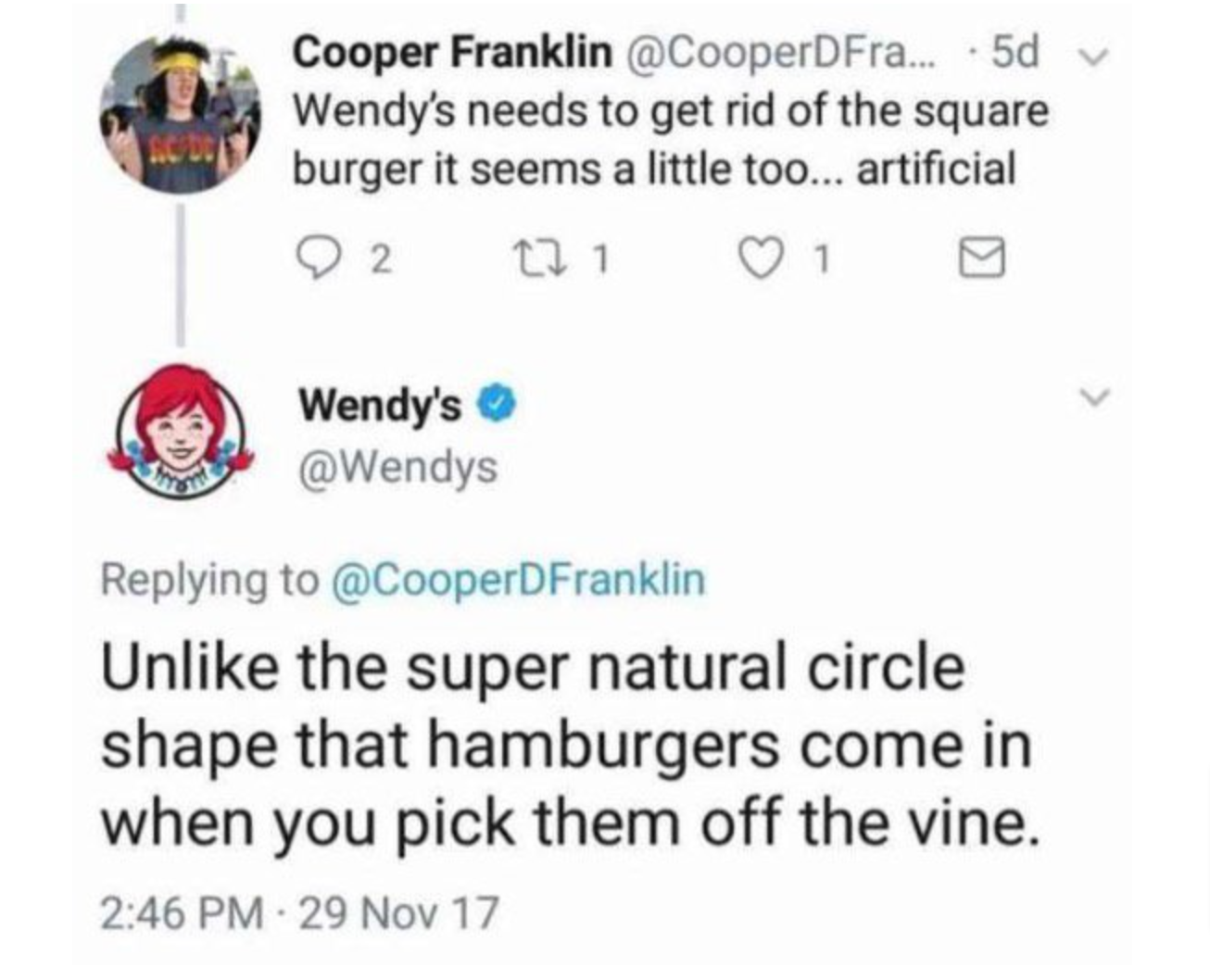
Case Study: Wendy’s
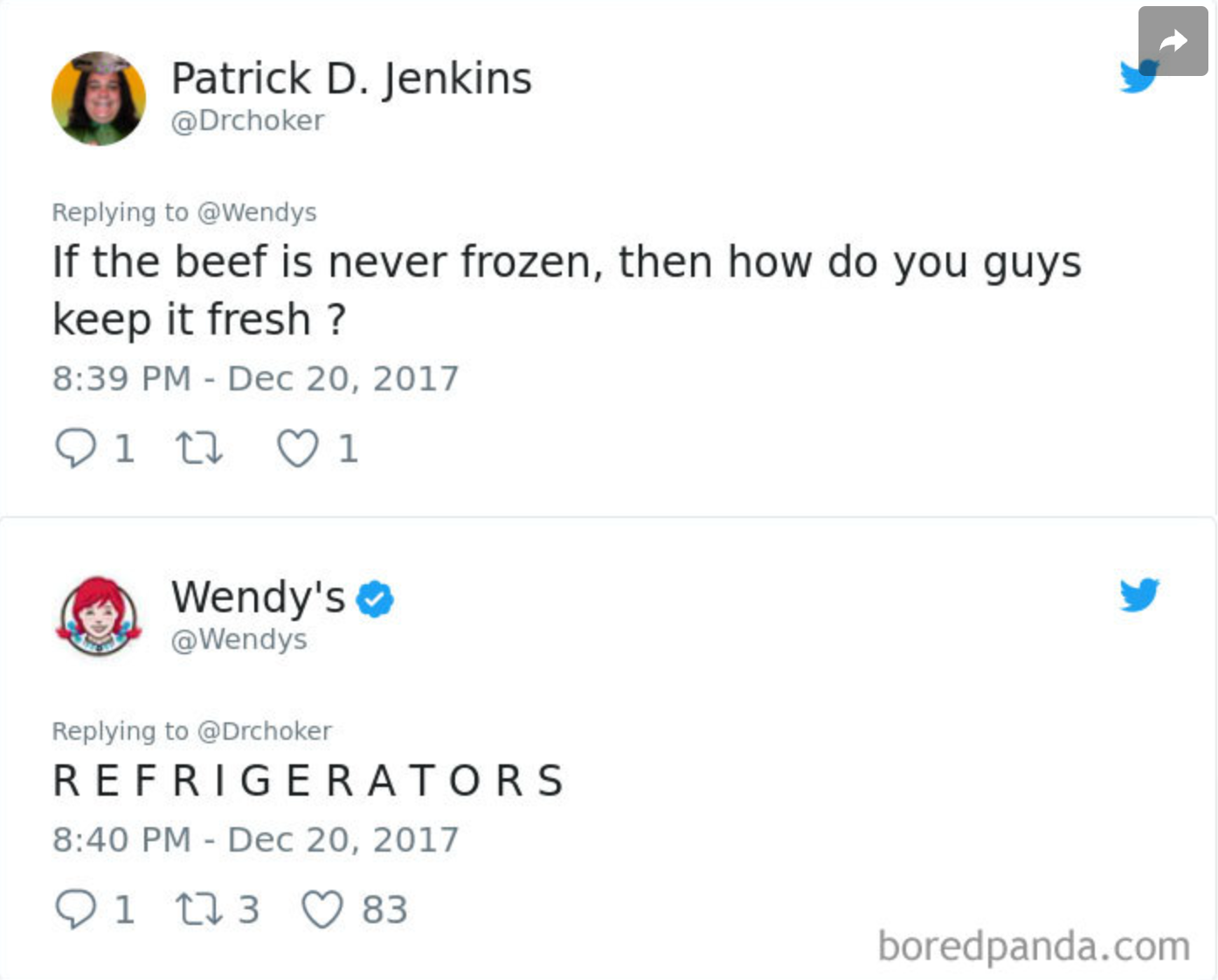
Wendy’s has become famous for using humor to handle trolls. Their witty and often humorous responses have not only neutralized negativity but have also enhanced their brand’s appeal. While this approach may not be suitable for every organization, it demonstrates how humor can turn a negative interaction into something positive.
Constructive Criticism
Constructive criticism is valuable feedback that, while critical, offers insights that can help your organization improve. Responding to this type of feedback requires a thoughtful and open approach:
- Acknowledgment and Appreciation: Start by acknowledging the feedback and expressing gratitude for the insights provided. This shows that you value the person’s opinion and are committed to improvement.
- Transparency: Offer a clear explanation of your organization’s current practices or decisions, and how you plan to address the concern raised.
- Engagement: Invite further dialogue if appropriate, showing that you are open to ongoing feedback and discussion.
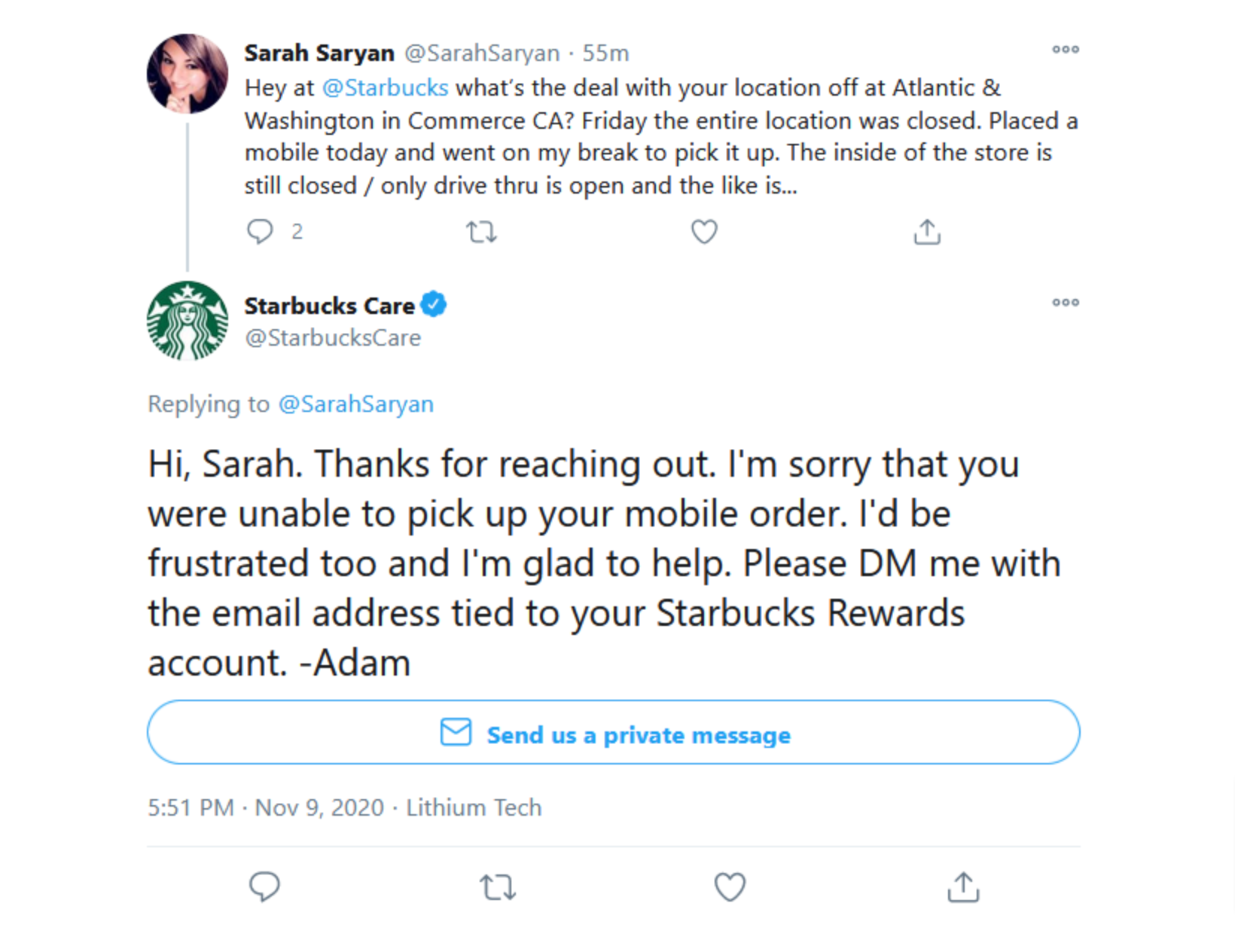
Case study: Starbucks
Starbucks is known for its quick, transparent responses to social media comments, particularly when it comes to criticism. By addressing concerns promptly and providing detailed explanations, Starbucks demonstrates how constructive criticism can be an opportunity to build trust and enhance customer loyalty.
FUN TIP: According to a study by Napoleoncat, 42% of customers expect a brand to respond to them on social media in 60 minutes or less.
Misunderstandings
Misunderstandings occur when users misinterpret your organization’s actions, offerings, or intentions. These situations require clear communication to correct the misconceptions:
- Quick Clarification: Respond promptly to clarify the misunderstanding. Providing accurate information quickly can prevent the spread of misinformation.
- Educational Response: Use the opportunity to educate your audience about your mission, services, or values. This can help prevent similar misunderstandings in the future.
- Empathy and Support: Show understanding and empathy for the user’s confusion, and offer additional resources or information to support their understanding.
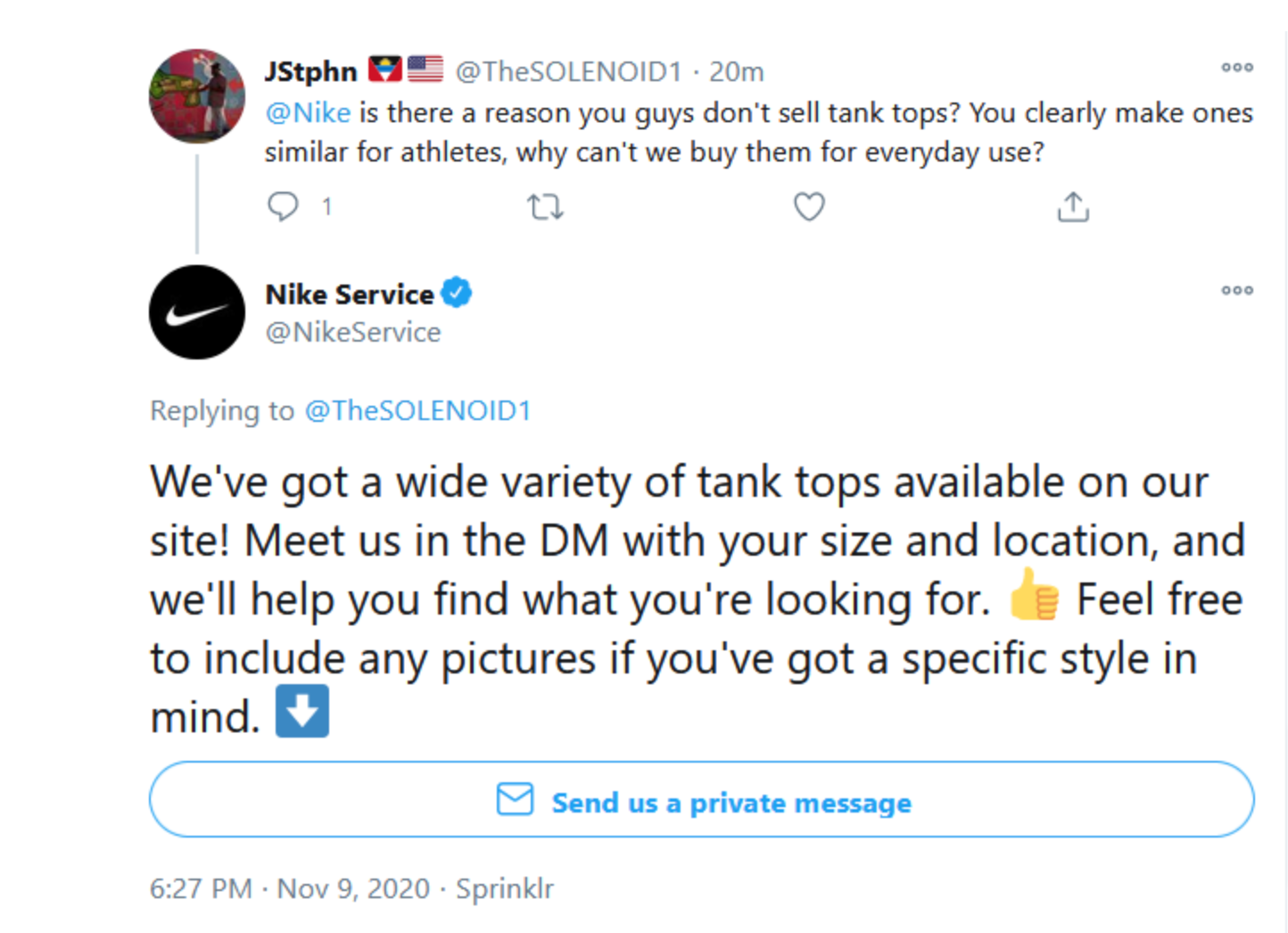
Case study: Nike
Instead of deleting or ignoring a customer’s misunderstanding, Nike skillfully addressed the issue by providing a proactive solution. They took the time to assist the customer on a personal level, going above and beyond to help them find the right product. Non-profits can adopt a similar approach when engaging with users who might be unclear about their mission or values, ensuring clarity and building stronger relationships through thoughtful, individualized responses.
Key Strategies for Non-Profits to Handle Negative Social Media Comments
Navigating negative comments on social media requires a proactive, thoughtful approach. By preparing in advance and using strategic communication, non-profits can turn potential setbacks into opportunities for growth and stronger community engagement. Below are key strategies to effectively handle negative social media comments:
1. Prepare and Plan Ahead
Preparation is crucial for managing negative feedback effectively. Start by identifying potential scenarios where negative comments might arise, such as during a controversial campaign, a service disruption, or a highly visible event. Once these scenarios are identified, develop a communication strategy that outlines how your organization will respond.
Action Steps:
- Scenario Planning: Brainstorm with your team to anticipate possible situations that could trigger negative comments. Consider both internal factors (e.g., changes in services or leadership) and external factors (e.g., political events or media coverage) that might impact your audience’s perception.
- Develop Response Templates: Create response templates for different types of feedback, such as trolling, constructive criticism, and misunderstandings. While templates provide a starting point, ensure that each response is personalized to the specific situation.
- Role Assignments: Designate team members to monitor social media platforms and respond to comments. Ensure they are equipped with the necessary tools and training to handle different types of feedback professionally.
2. Analyzing Data from Comments
Understanding the broader sentiment behind negative comments can provide invaluable insights into your audience’s perceptions and concerns. Non-profits can leverage analytics tools like Metricool, Hootsuite, or Sprout Social to track and analyze social media interactions. By examining patterns in feedback, your organization can identify recurring issues, understand public sentiment, and tailor future communications to better address your audience’s needs.
Action Steps:
- Set Up Analytics Tools: Implement social media monitoring tools that track mentions, keywords, and sentiment across platforms. These tools can help you quickly identify when negative comments arise and provide data on how these comments trend over time.
- Identify Patterns: Regularly review the data to identify common themes or recurring issues in negative comments. For example, are there specific topics or events that consistently attract criticism? Understanding these patterns can help you proactively address concerns before they escalate.
- Feedback Loop: Use the insights gained from comment analysis to inform your broader communication strategy. For instance, if you notice frequent misunderstandings about your mission, consider creating content that clarifies your goals and values.
3. Communicate Transparently and Timely
Transparency and promptness are critical when dealing with negative comments. When criticism arises, acknowledging it quickly shows that your organization is attentive and values its community’s input. Tailoring your responses to each platform also ensures that your message resonates effectively with your audience.
Action Steps:
- Quick Acknowledgment: Respond to negative comments as soon as possible, ideally within a few hours. A timely response can prevent further escalation and shows that you are engaged with your audience.
- Platform-Specific Responses: Tailor your messages to fit the tone and expectations of each platform. For example, a more formal response may be appropriate on LinkedIn, while a conversational tone may work better on Instagram or Twitter.
- Transparency in Communication: When addressing criticism, be clear and honest about the situation. If an error has occurred, admit it, explain what went wrong, and outline the steps being taken to correct it. Transparency builds trust and reassures your audience that you are accountable and committed to improvement.
4. Rally Positive Support
Balancing negative comments with positive engagement is essential for maintaining a healthy online presence. Sharing success stories, testimonials, and positive feedback from your community can help shift the narrative and reinforce your organization’s impact. Encouraging your supporters to share their experiences can also drown out negativity with authentic, positive voices.
Action Steps:
- Highlight Success Stories: Regularly share content that showcases the positive impact of your organization’s work. This could include testimonials from beneficiaries, case studies of successful projects, or thank-you messages from your community.
- Engage Your Supporters: Encourage your followers and supporters to share their positive experiences with your organization. You can do this by creating campaigns that invite user-generated content, such as photo contests, story sharing, or hashtag challenges.
- Counteract Misinformation: When negative comments spread misinformation, use positive, factual content to counter these claims. For example, if your organization is criticized for not being transparent, share detailed reports on your operations, funding, and outcomes to set the record straight.
5. Learn and Improve
Each negative comment is an opportunity to learn and grow. After addressing negative feedback, it’s important to review the situation and identify areas for improvement. By reflecting on what went well and what could have been handled better, your organization can refine its approach to managing social media interactions in the future.
Action Steps:
- Conduct a Post-Mortem Analysis: After a significant negative interaction, gather your team to discuss what happened. Analyze the situation to determine the root cause of the issue and evaluate the effectiveness of your response.
- Document Lessons Learned: Create a record of key takeaways from each situation. This documentation can serve as a reference for handling similar issues in the future and can be used to train new team members on best practices.
- Continuous Improvement: Use the insights gained to refine your social media strategy, update your communication plans, and improve your response templates. Consider integrating these lessons into broader organizational policies to prevent similar issues from arising.
Key Takeaways
Effectively negative comments on social media in a timely manner is vital for non-profits. By preparing, communicating transparently, showing empathy, mobilizing support, and continuously learning, non-profits can navigate challenges and maintain their mission’s integrity.
Need help to manage your non-profit’s social media?
Book a free consult to get the experts and strategy you need to thrive online.
Related posts




Book a free consult to discuss your goals
[contact-form-7 id="a62b81c" title="Request a Free Consult"]
Swipe up for expert help!